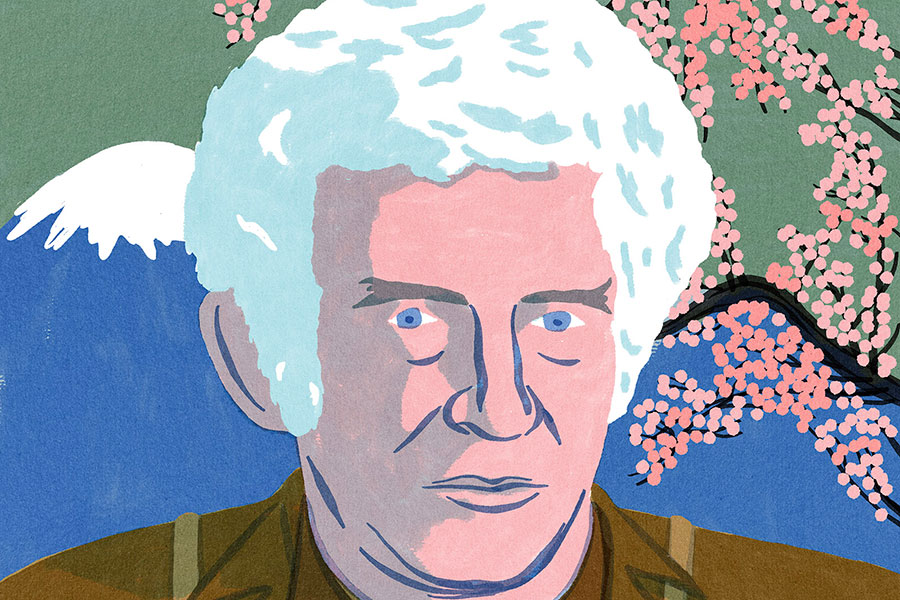

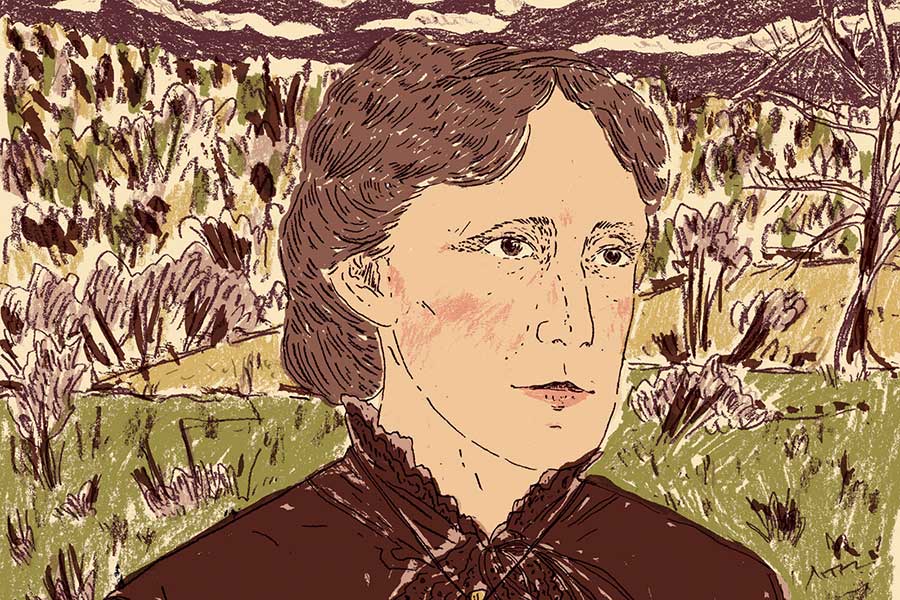
American Pastoral by Jonathan Raban
Of all the many thousands of photographs that came out of the New Deal–era effort to photograph rural poverty in the southern states, none has remained more famous than Dorothea Lange's Migrant Mother. Taken in February 1936 at a pea pickers' camp northwest of Santa Barbara, it was published in the San Francisco News the following month, when it resulted in $200,000 in donations from appalled readers. For a long while now, I've tried to observe a self-imposed veto on the overworked words "icon" and "iconic," but in the exceptional case of Migrant Mother it's sorely tempting to lift it.
Can Our Shameful Prisons Be Reformed? by David Cole
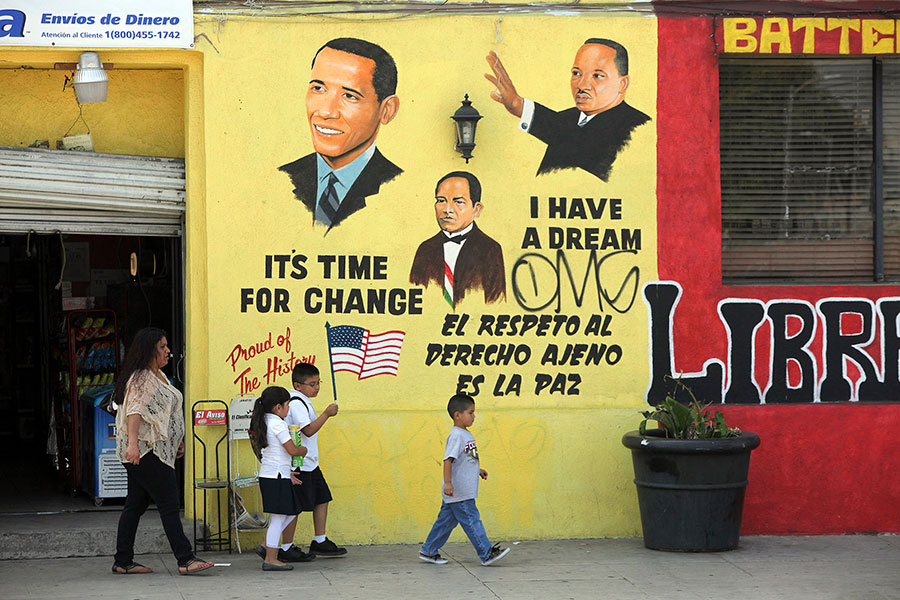
African-Americans are 13 percent of the general population, but over 50 percent of the prison population. Blacks are incarcerated at a rate eight times higher than that of whites. Three recent books by scholars who happen to be black men eloquently attest to the broader effects of the racial disparities in our criminal justice system.
A Great Jump to Disaster? by Tim Flannery
In his latest book, The Vanishing Face of Gaia: A Final Warning, James Lovelock argues that Earth's system of self-regulation is being overwhelmed by greenhouse gas pollution and that Earth will soon jump from its current cool, stable state into a dramatically hotter one.
Dreams of Better Schools by Andrew Delbanco
With the possible exceptions of the postal service and the motor vehicle bureau, few public institutions rival our schools in public dissatisfaction. But measured against the actual schools of the past, how, in fact, are we doing?
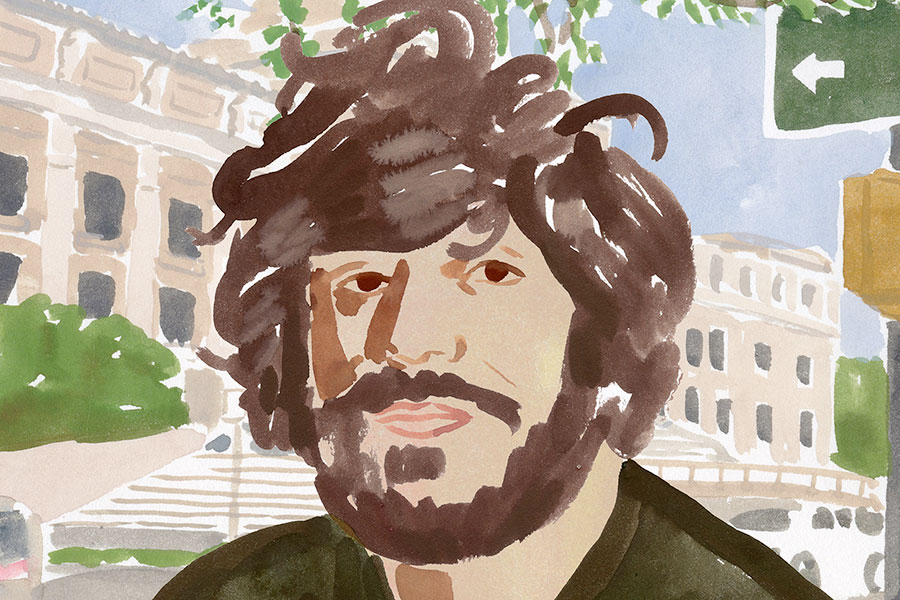
Secret Love in the Lost City by Pico Iyer
Orhan Pamuk's new novel is a characteristically roomy and discursive love story, a rich and almost-modern Age of Innocence, translated to a confused world that doesn't know quite how modern it wants to be.
Breaking a Conspiracy of Silence by Sue Halpern

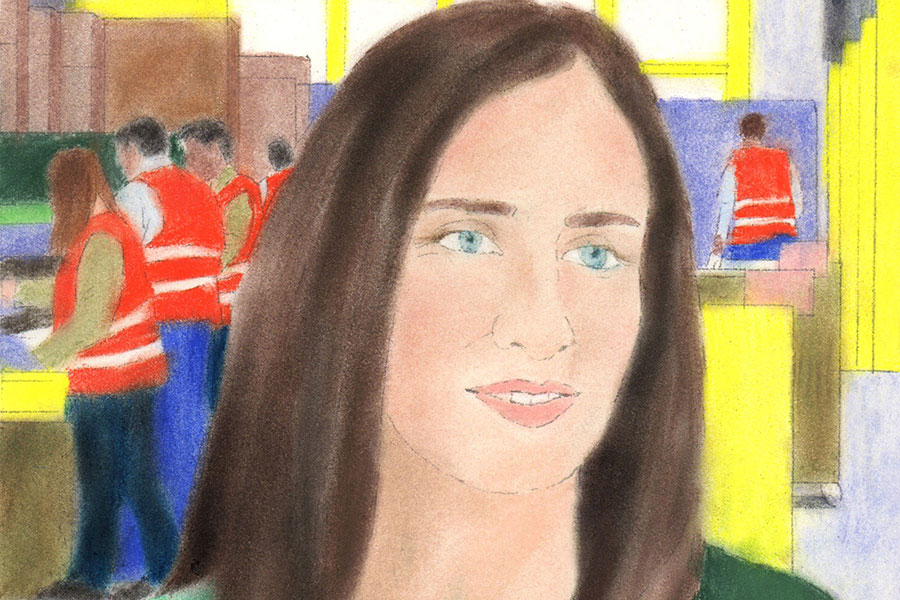
If Nicholas Kristof and Sheryl WuDunn have their way, righting "gender inequality in the developing world" will be embraced as the moral battle of the twenty-first century, as totalitarianism was in the twentieth and slavery was in the century before that.
Iraq on the Edge by Joost R. Hiltermann
When the US begins pulling out its first combat brigades starting in March, Iraq will be entering into a period of fractious wrangling over the formation of a new government. If Iraqi national forces fail to impose their control, an absence of political leadership could coincide with a collapse in security; if politicians and their allied militias resort to violence, the state could fracture along political, ethnic, and sectarian lines.